
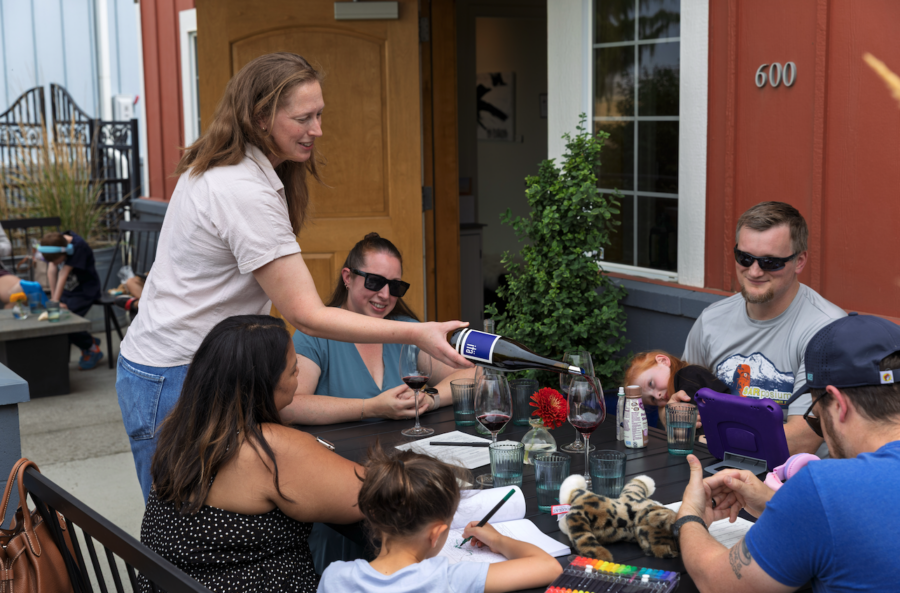

Out at the edge of Walla Walla’s airport district, where paved roads end and farmlands take over, a tidy row of five brightly colored cottages face the neighboring fields.
As the afternoon flight to Seattle rumbles down the nearby runway, journeys of a different kind are taking place here: the dreams of Walla Walla’s next generation of winemakers.
These storybook buildings are the Incubators, and they have been helping fledgling winemakers since 2006, when the program was established by the Port of Walla Walla to encourage new beverage brands to launch their businesses. Supported by reasonable rents and resources available though the Port, the Incubators have been home to 21 tenants and boast a 77% success rate, according to Jennifer Skoglund, who manages the program.
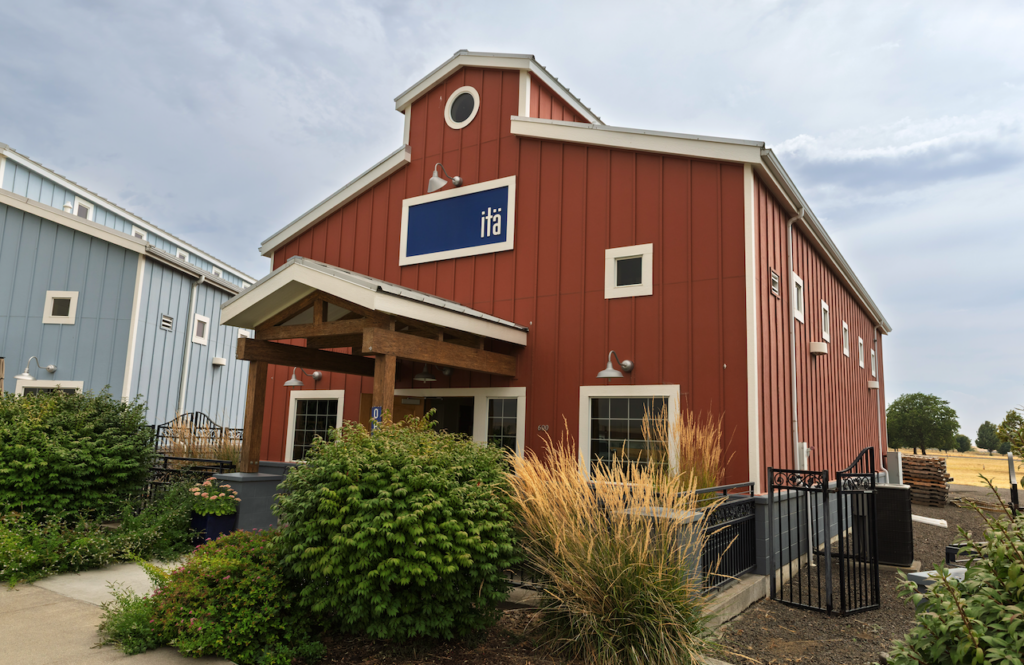
One tenant preparing for takeoff is itäwines. The winery is moving out at the end of the year and will eventually relocate to a sprawling new facility, currently under construction, on the east side of Walla Walla.
“It’s hard for me to imagine not being here,” says winemaker Kelsey Albro Itämeri. “It’s starting to feel like my college apartment.”
Itämeri says she learned a lot growing her brand at the Incubators. Her brick red cottage was where she formed the most foundational parts of her business, from what her wines were going to be, to what the label on the bottle should look like.
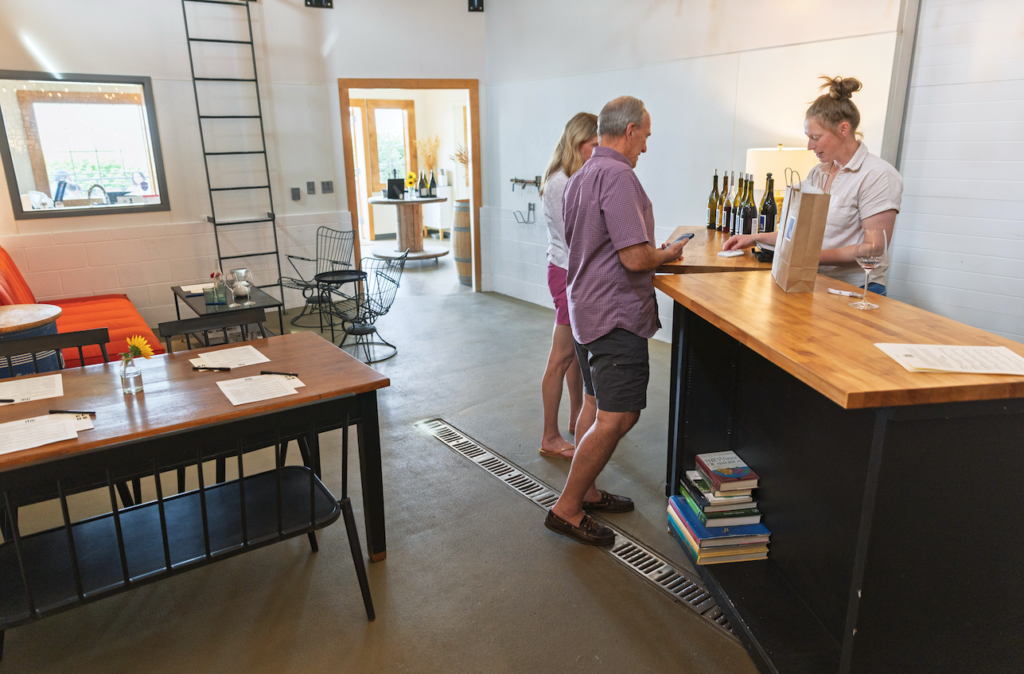
She also learned how to market her wines. “I didn’t know what was unique about my wines,” says Itämeri, who discovered how to distinguish her winery from others by talking about how they were different, from grapes used and hyper-local vineyard sourcing, to her low-impact winemaking techniques.
“For me, it was realizing it takes time, and learning what my message is,” Itämeri says.
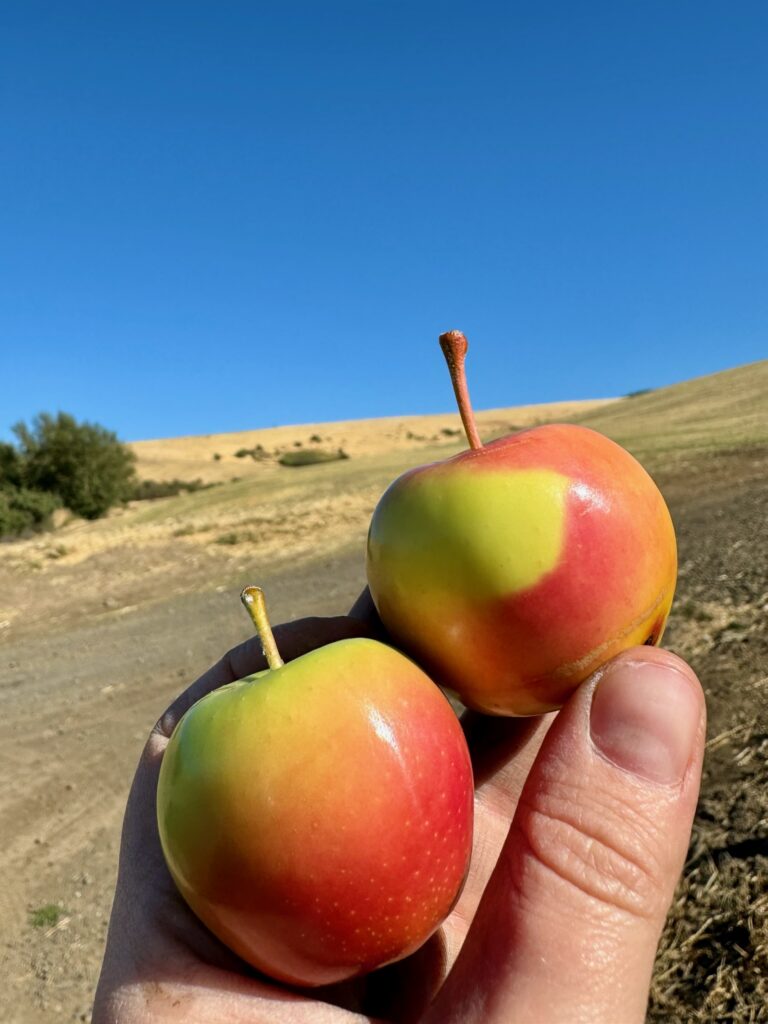
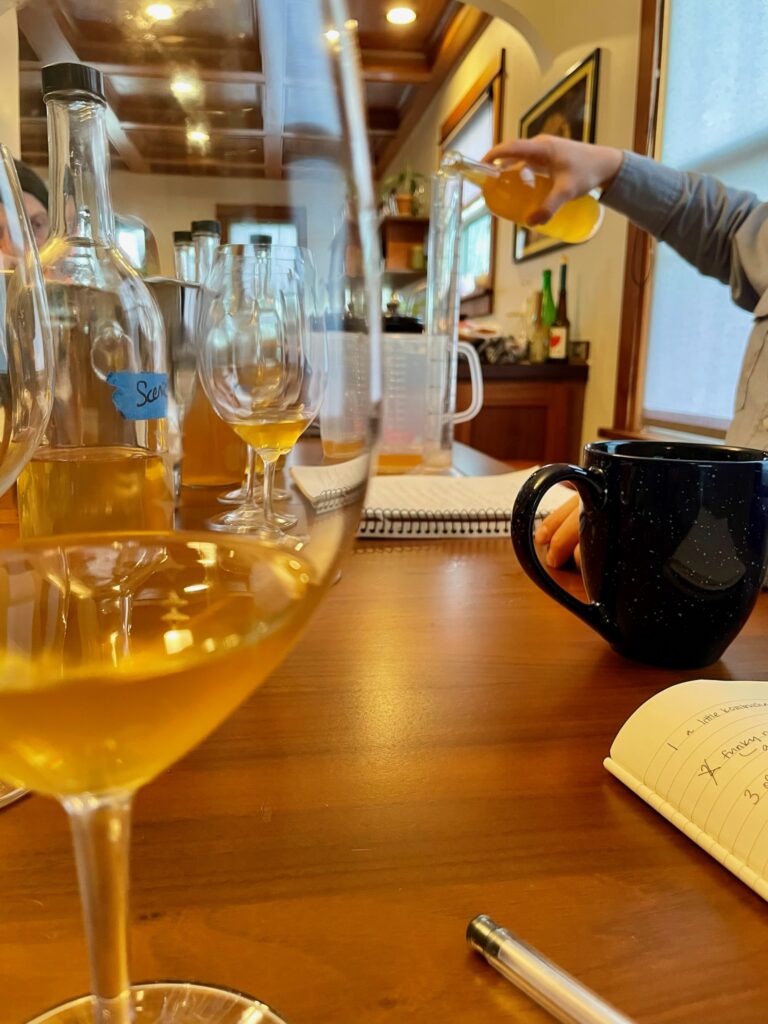
Itä’s former neighbor, Hoquetus, relocated to a new tasting room in downtown Walla Walla in May. Incubator newcomers Mast Year Cider Collective will move into the recently vacated space sometime this summer.
“We’re super excited to be a part of the incubator community, to see old friends and make new ones, to learn from more established brands like itä, and grow with other newcomers,” says co-owner Allan Crum.
“We’ve poured our ciders at various pop ups and events, but we’ve never had a dedicated hospitality space,” says Crum, who is looking forward to having the opportunity to create an unfussy and inviting atmosphere where guests can learn about their particular style of cider.
“Most folks don’t have a ton of experience with dry full juice ciders, so it is our job to make our offerings approachable, to provide context, and to educate without lecturing,” Crum says.
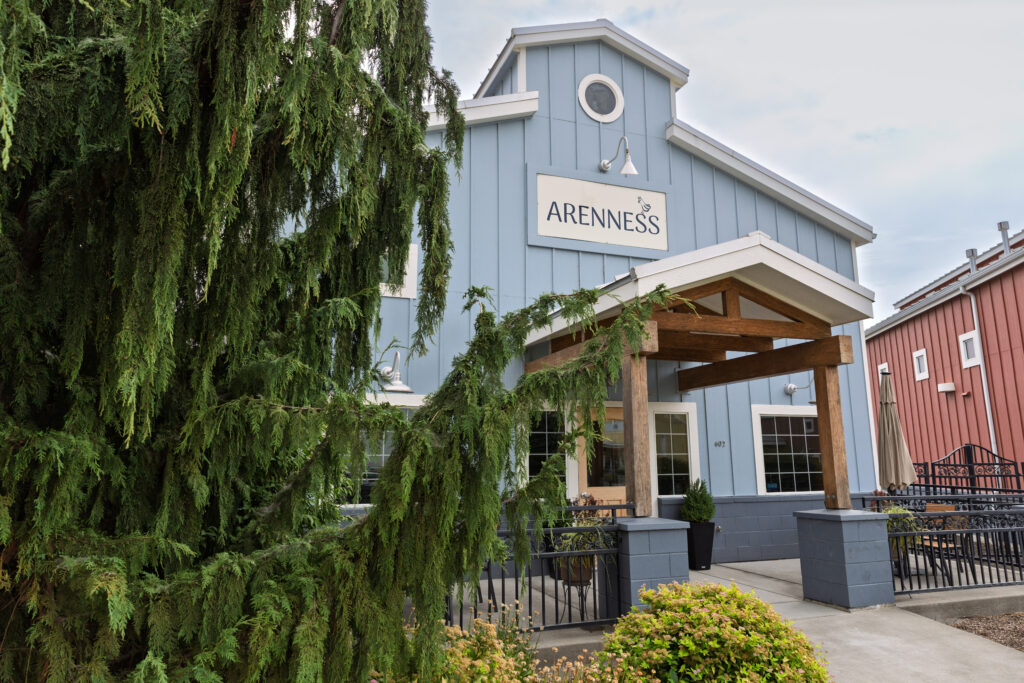
Bob Bailey and Su Matemanosak of Arenness Cellars have been at the Incubators for just over a year now. They’ve observed their business, chiefly focused on Washington cabernet, grow in a few ways through their face to face interactions with guests.
“We’re excited to be in the Incubators and to have our own tasting room,” Bailey says. “The benefit you can get when you can interact with people who come in and try your wine, that’s been huge fun.”
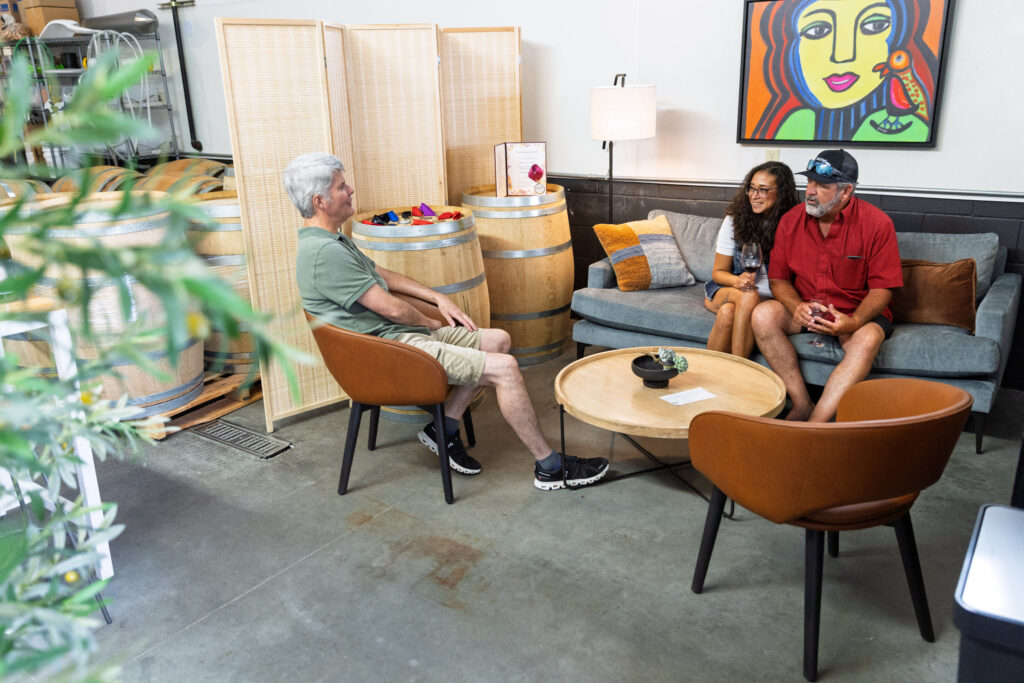
Matemanosak says some visitors have become familiar faces.
“I’m happy to see repeat customers from a lot of effort in marketing and advertising,” Matemanosak says. “For us, it‘s really fun when people come back here again.”
Currently rounding out the neighborhood are its newest tenants, Wandering Wolf Cellars, opened in May,and August Forest, which opened in June.
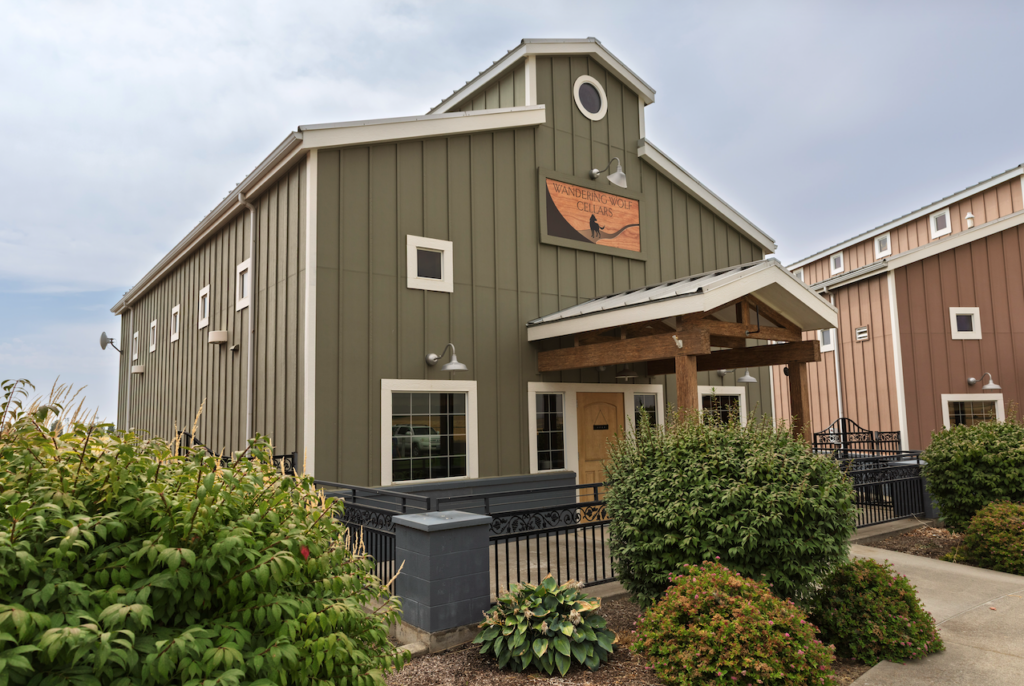
“There’s a lot of altruism and camaraderie there,” says Alex Wolf, who recently relocated from Seattle and operates Wandering Wolf Cellars with the help of his girlfriend, Sherri Hainje. Tenants refer each other to customers and form friendships, says Wolf, who has valued getting to know Bob at Arenness and having a business by Itämeri, an existing friend from the wine community.
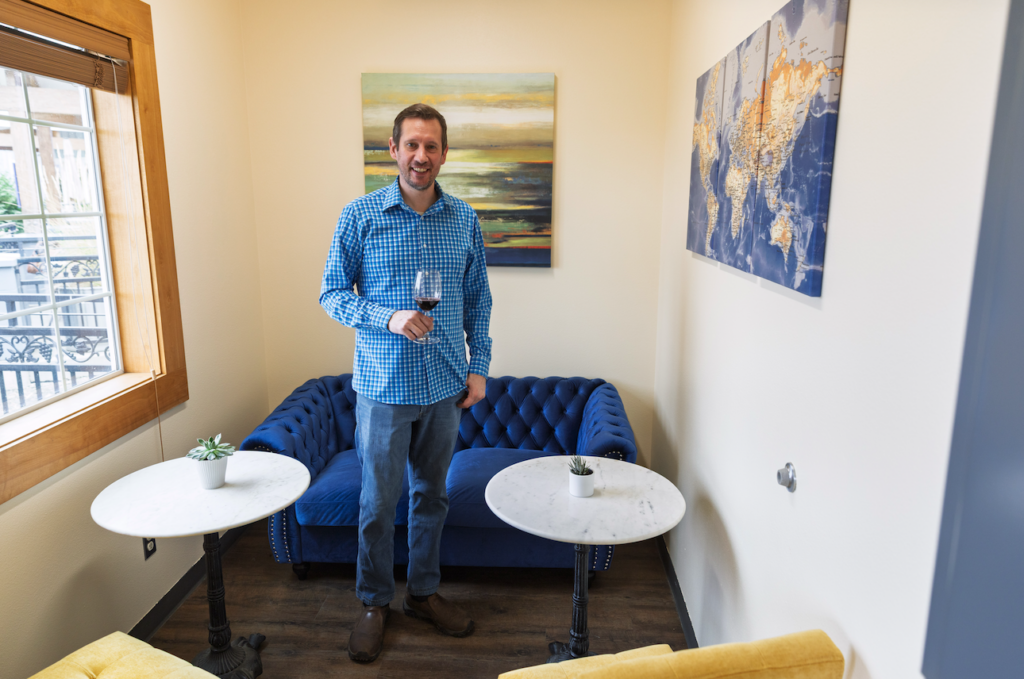
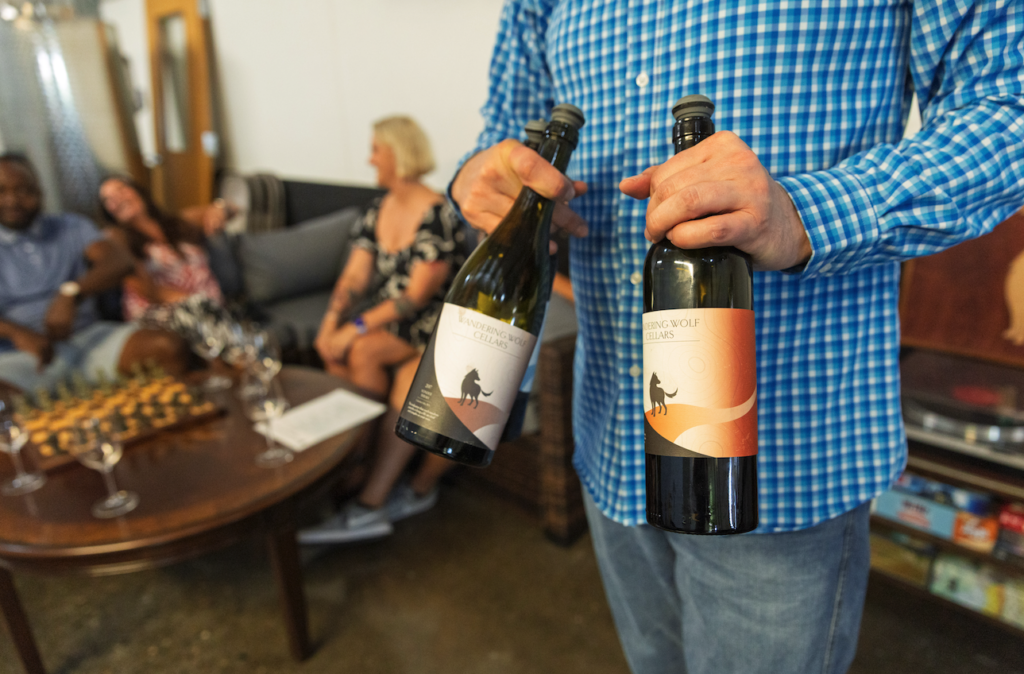
Wolf is looking forward to sourcing from more Walla Walla vineyards for his travel-inspired winery that he says produces a lot of varietal and single vineyard wines that are “very distinct, have a sense of place, and provide a memorable tasting experience.”
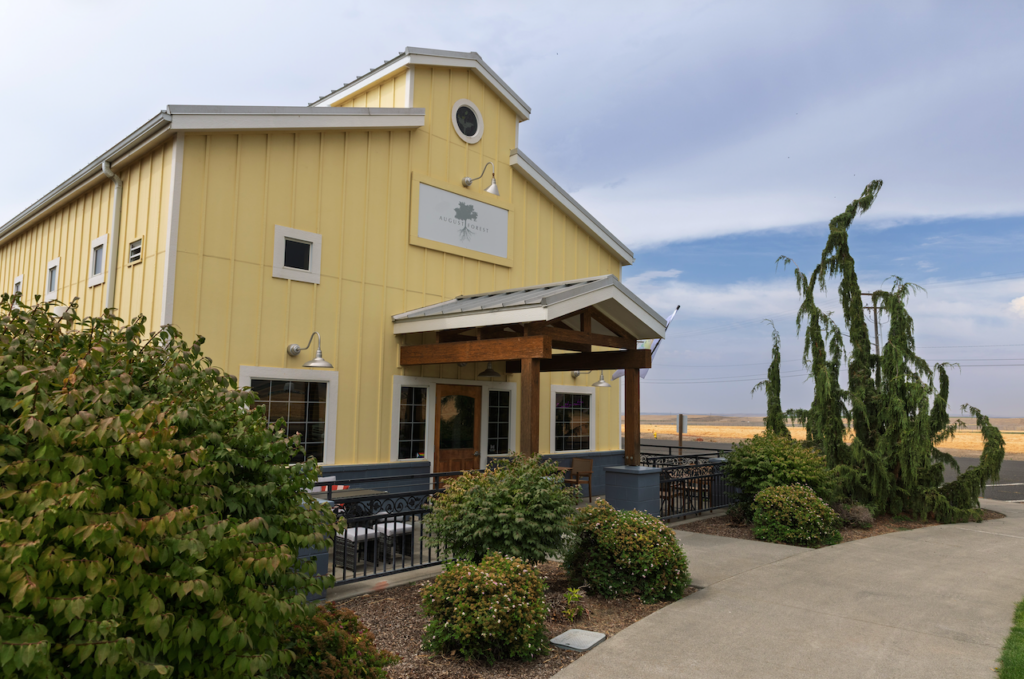
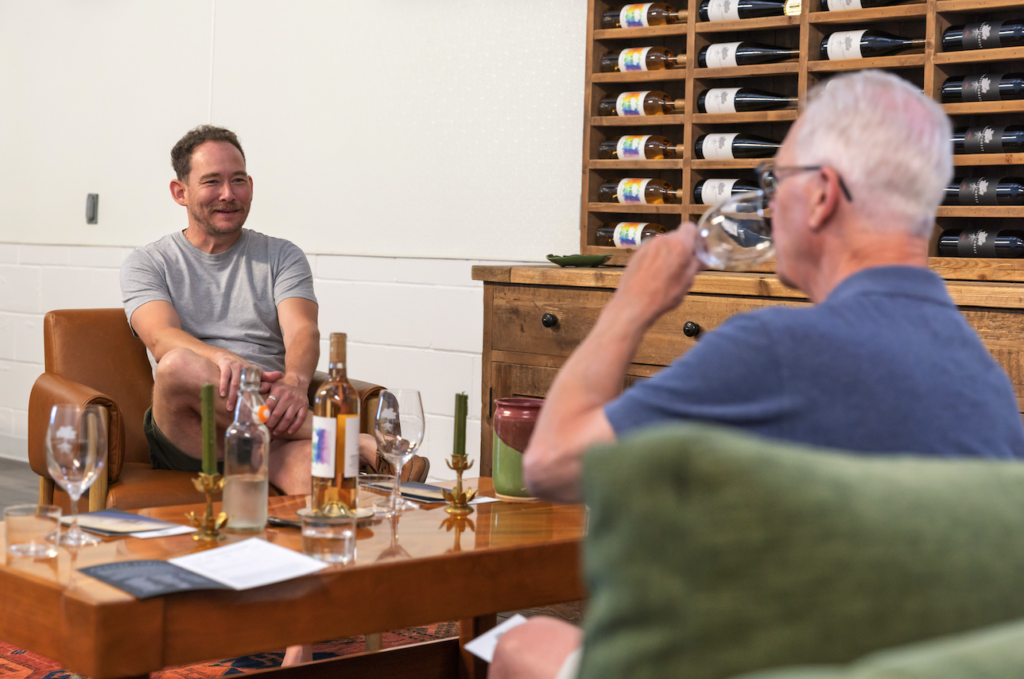
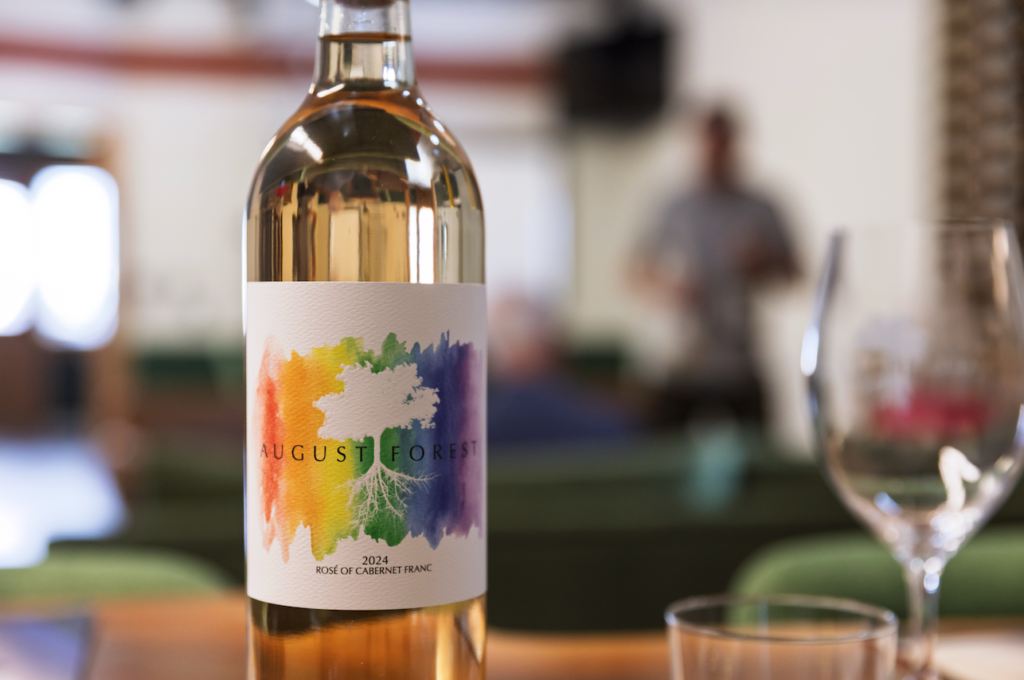
Just-opened August Forest, co-owned by friends C.J. Augustine and Forest Rogers-Phillips, is celebrating a “great opening weekend,” Augustine says.
The business partners and buddies have been making a name for their riesling sourced from the White Bluffs. “We’ve been operating for five years now and opening a space was definitely the next step for us,” Augustine says. “We’re thrilled to be a part of the next generation of producers in the Incubator spaces with Arenness, Wandering Wolf, and the soon-to-be-coming Mast Year and hope we can replicate the success so many brands have found in these spaces.”
If Skogland’s vision for the project continues to pan out, August Forest and others at the Incubators will have no problem reaching cruising altitudes.
“By providing a place for emerging wineries to establish themselves and grow, the Port helped support entrepreneurs at a critical stage and contributed to the development of an industry that now brings jobs, tourism, agricultural opportunity, and economic vitality to the Walla Walla Valley,” Skogland says.
“It’s rewarding to see the lasting impact of those early investments and to recognize how they helped contribute to Walla Walla becoming the destination it is today.”